Designing a house isn’t just about what you want—it’s about what the site will allow. How Site Constraints Affect Designing a House in the Northern Rivers. In the Northern Rivers, particularly around Mullumbimby, Tweed Heads, Nimbin, Murwillumbah, Lismore, Casino, Kyogle and Ballina, site constraints play a huge role in shaping the design, approval pathway, and overall cost of a project.
Understanding these constraints early can save significant time and money, and often leads to a better, more site-responsive design outcome.
Slope: Working With (Not Against) the Land
In areas like Nimbin and Murwillumbah, sloping sites are common. While they can offer incredible views and elevation, they also introduce complexity.
A steep block can affect:
- Building design (split-level homes vs. slab-on-ground)
- Earthworks costs (cut and fill, retaining walls)
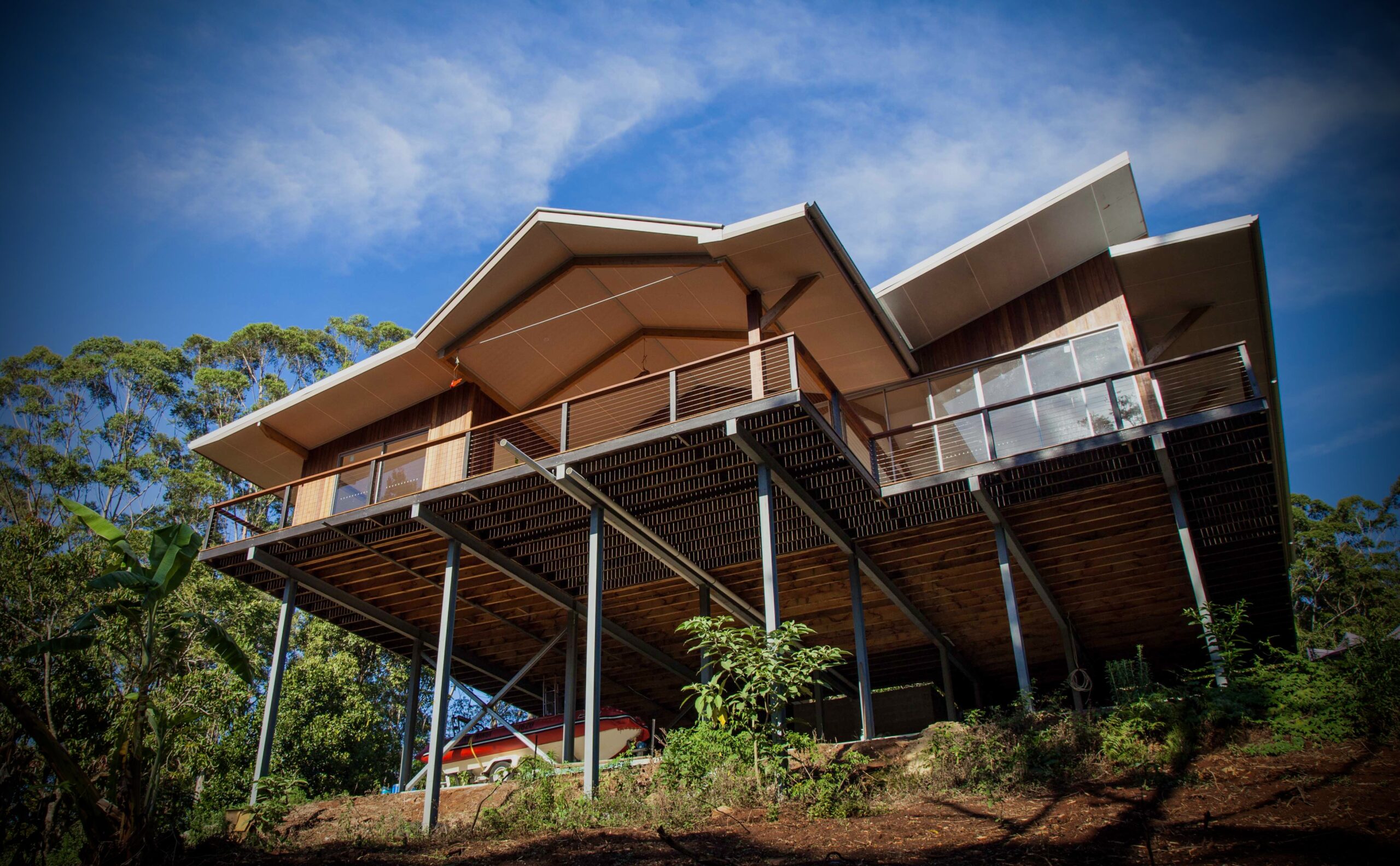
- Structural requirements (piered footings, suspended slabs)
- Drainage and stormwater management
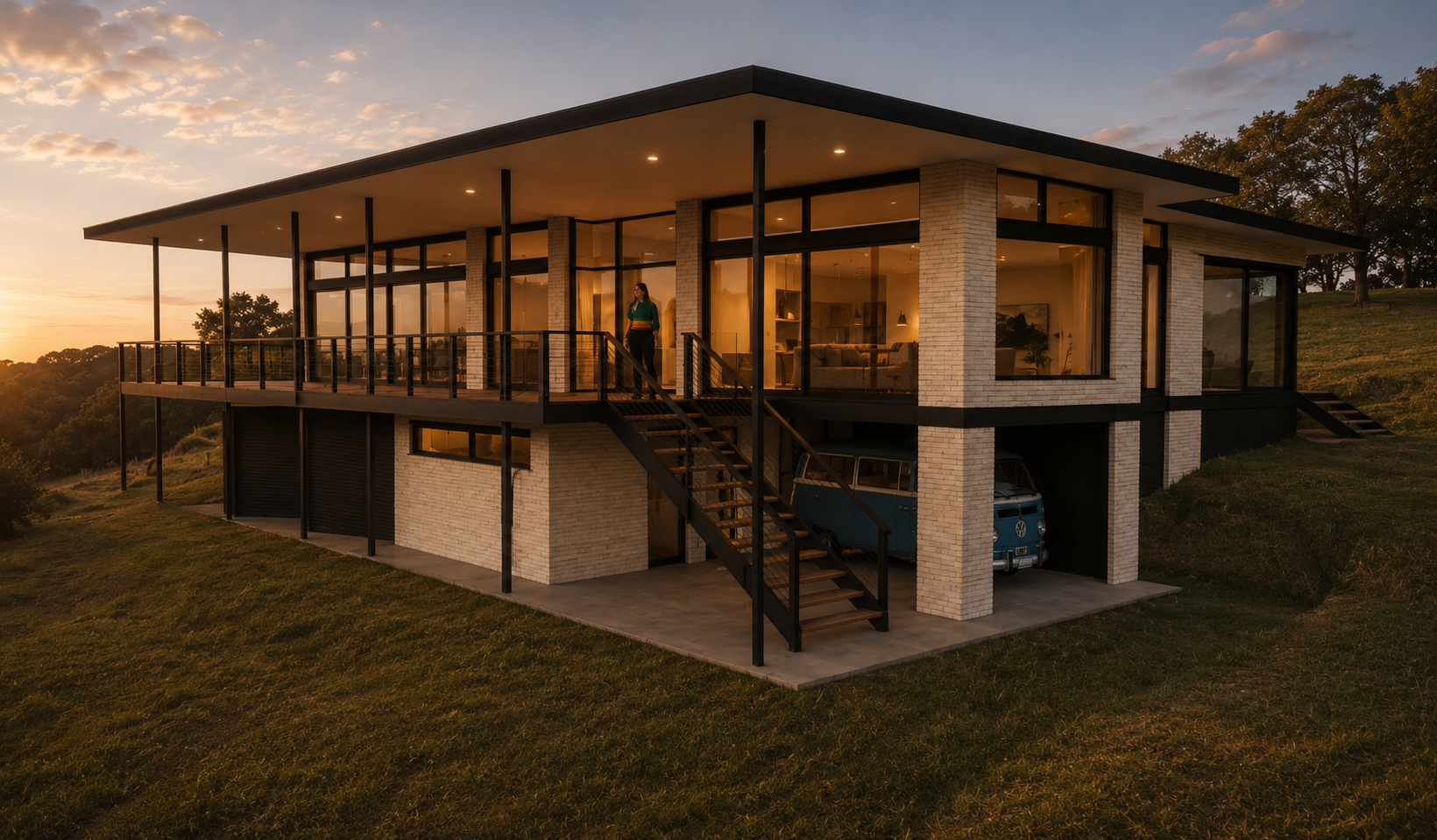
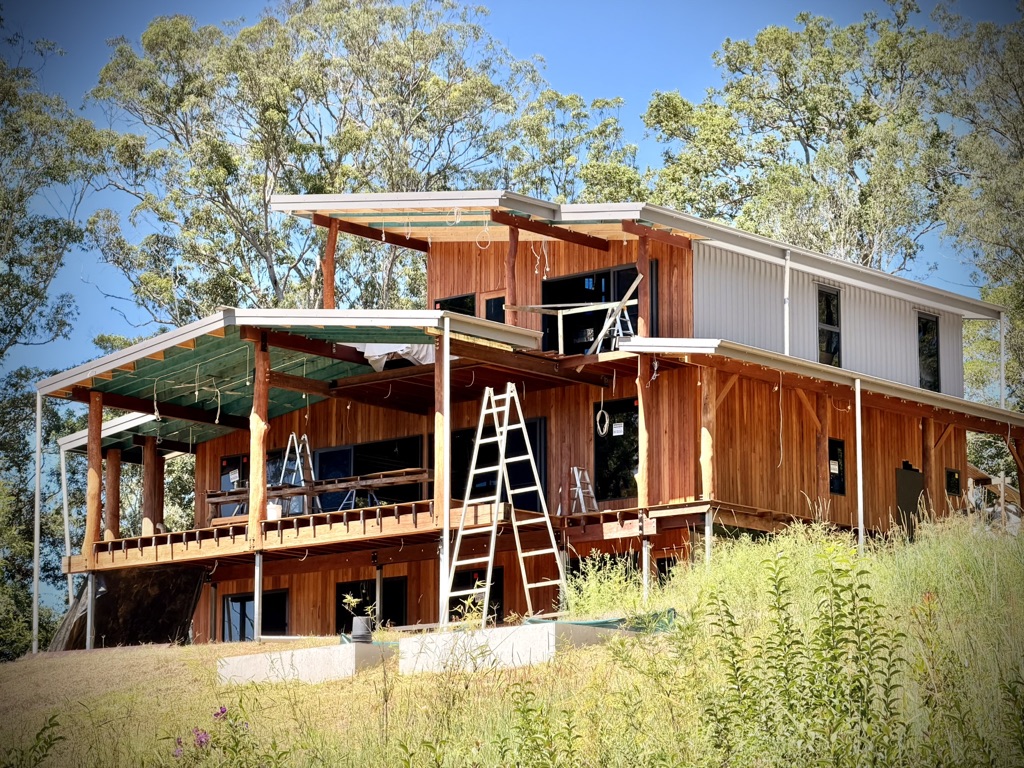
Rather than flattening a site—which can be expensive and sometimes not permitted—the better approach is often to design a house that follows the natural contours. This reduces earthworks and creates a more integrated outcome.
Flood: Designing Above and Beyond
How Site Constraints Affect Designing a House in the Northern Rivers. Flood-affected land is a major consideration in parts of the Northern Rivers, particularly around Ballina and low-lying areas near rivers and floodplains.
Flood constraints can influence:
- Finished floor levels (often requiring raised homes)
- Building materials (flood-resilient construction)
- Access during flood events
- Approval requirements (flood reports, council controls)
Raising a home can significantly impact cost, especially when access stairs, ramps, and services need to be extended. However, it’s critical for safety and compliance—and when done well, it can also improve ventilation and outlook.
Bushfire: Designing for BAL Ratings
In bushfire-prone areas like Mullumbimby and Nimbin, a Bush Fire Attack Level (BAL) assessment is typically required.
BAL ratings directly affect:
- Construction materials (e.g. non-combustible cladding, toughened glass)
- Window and door specifications
- Roofing and ember protection systems
- Defendable space around the dwelling
Higher BAL ratings (e.g. BAL-29 or BAL-FZ) can add substantial cost to a build. The positioning of the house on the site, distance from vegetation, and landscaping decisions can all help manage and potentially reduce this rating.
Access: Getting In and Out
Access is often overlooked early on but can become a major issue—especially on rural or hinterland sites around Tweed Heads, Nimbin, and Murwillumbah.
Considerations include:
- Driveway gradients and construction
- Emergency vehicle access
- Turning circles and parking
- Council requirements for access widths and surfaces
Difficult access can increase construction costs significantly, as machinery, materials, and trades all need to reach the site. In some cases, upgrading access roads or driveways becomes part of the approval process.
Services: The Hidden Costs
Services—such as water, sewer, power, and stormwater—can have a major impact on both design and budget, particularly in semi-rural areas like Mullumbimby and Nimbin.
Key factors include:
- Availability of sewer vs. on-site wastewater systems (Section 68 approvals)
- Distance to power connection points
- Water supply (town water vs. rainwater tanks)
- Stormwater discharge options
If services aren’t readily available, the cost of providing them can quickly add up. For example, installing an on-site wastewater system requires design, approvals, and ongoing maintenance considerations.
Bringing It All Together
Every site is different, and in the Northern Rivers, it’s common to deal with multiple constraints at once—a sloping, flood-affected, bushfire-prone block with limited access is not unusual.
The key is understanding these constraints early and designing with them, not against them.
A well-considered design will:
- Minimise earthworks and structural complexity
- Respond to environmental risks like flood and bushfire
- Ensure practical and compliant access
- Integrate services efficiently
This approach not only improves the final outcome but also helps keep the project within budget and avoids costly redesigns later in the process.
Why Early Planning Matters
Before putting pen to paper on a floor plan, it’s worth investing in the right information:
- Detailed contour survey
- Bushfire assessment
- Flood information
- Preliminary service investigations
From there, a clear strategy can be developed to navigate approvals such as DA, BASIX, and Construction Certificate requirements.
Final Thoughts
Designing a house in the Northern Rivers—whether in Mullumbimby, Tweed Heads, Nimbin, Murwillumbah, Lismore, Casino, Kyogle or Ballina—is as much about the land as it is about the building.
The best outcomes come from embracing the site, understanding its constraints, and using them to guide the design rather than fight against them.